Home › About
About Tickwise
Tickwise is an independent US-stocks education site. We're not a broker, and not any trading platform's official channel. We do one thing: explain account opening, funding, reading the tape and fees in plain language, so you can understand and verify before you act.
Who we are
Tickwise is written for people, in Chinese and English, touching US stocks for the first time. We don't decide for you and we don't send buy/sell signals. We take the parts where a search only returns jargon and lay them out plainly, then point you to what to verify on the official pages. When you can't make sense of something, our advice is always the same: wait.
We group the content into three kinds. First, do-this-step guides: what to prepare before opening an account, which funding routes exist, where withdrawals get stuck. Second, plain-word explainers: taking the order book, order types, fees and tax apart field by field so the words stop being noise. Third, small tools you run yourself, like dollar-cost averaging, dividend withholding and break-even. All three point at the same goal: before you press any button, you understand what the step does, what it costs, and what can go wrong.
Byline: Zhou Yu
Zhou Yu is the pen name used for Tickwise’s guides. Articles explain account requirements, money transfers, product terms and costs for readers who want to check the details before acting.
The byline is not a claim of a professional licence or independently verified investment experience. Assess an article through its sources, stated assumptions and explanation of what you need to check.
Editorial and review standards
To make the content worth trusting, we hold ourselves to a few firm rules and follow them on every piece:
- Verify first, then write. For facts that change, like fees, tax rates, eligibility, region limits and product rules, we go by each broker's and platform's official pages, and we prompt you to check the current version there too; platforms can change at any time, so what an article says is there to help you understand, not to replace the official live information.
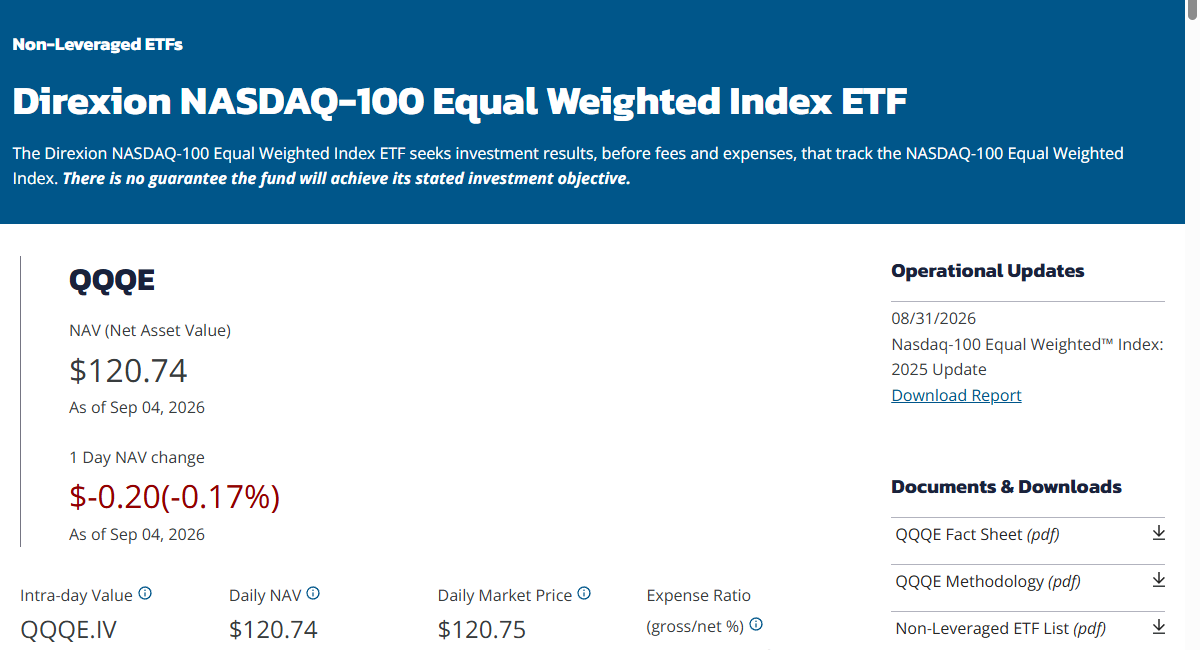
- Separate examples from dated facts. Calculation examples state their assumptions. Facts and real webpage screenshots identify their sources and dates; neither is a live price feed. Check the current official terms and your account before acting.
- No stock picks, no predictions, no promises. We don't send buy/sell signals, don't predict prices, and don't promise any returns. What we provide is judgment flows, field explanations and checklists; the decision to buy, sell or open an account is yours.
- Bylines and dating. Every guide is bylined and dated; when content is updated as platform policies change, the date moves with it, so you can tell when a piece was written and whether it still applies.
- We disclose our interests. Where third-party platforms are involved, we disclose the referral relationship, see Affiliate disclosure; that disclosure changes none of the rules above, and we still flag the risks worth flagging.
- Wrong gets fixed. Spot a factual error or stale information? Email tick@tickwiselabs.com and we'll verify and correct it, updating the footer date where needed.
Where this content applies, and where it doesn't
Everything on Tickwise is educational, meant to help you build concepts and read the flow. It is not investment, tax or legal advice, and it isn't tailored to anyone's specific situation. Everyone's residency, tax status, available platforms and risk tolerance differ, and the same action can end very differently for different people. Whether a platform or feature is available where you live, whether you owe tax, and how to file, are things you need to check on the official pages yourself, or with a licensed professional in your area. When we mention a platform or product, it's an example to explain the idea, not a recommendation to use it.
Updates and timeliness
Broker policies, fees, regional eligibility and product rules change over time. We update the relevant content when we notice a change, and adjust the footer date accordingly. Treat each piece's date as a reference: it tells you roughly when the piece was written. When you actually place an order, open an account or file tax, the key facts go by the official current page you see at that moment, not by an older description in an article. If you find something that no longer matches the official page, we'd welcome a heads-up.
Contact
For corrections, suggestions or anything else, write to tick@tickwiselabs.com. See also Risk disclosure and Privacy.