Buying your first US stock? The hard part usually isn't picking it, it's opening an account and funding it
You don't necessarily need an overseas broker anymore: as Binance's public materials describe it, it now lets you buy US stocks and ETFs directly (whether you can use it depends on its official page and your region). Learn stock-picking later; first you need a working account.
Registration benefits are subject to what appears on the exchange’s official sign-up page.
Written for people touching US stocks for the first time, so you can judge for yourself
Tickwise doesn't decide for you and doesn't send buy or sell signals. We do one thing: take the parts you search and only get jargon back, account opening, funding, reading the tape, fees, and explain them in plain language.
Once you understand them and know what to check, you go to each broker's and platform's official pages, verify, and decide for yourself whether to start.
What we do, and don't
- Explain the flow
- Lay out the fees
- Flag the risks
- Teach you to verify
- No stock tips
Where we stand
Understand it first, then decide whether to act. When you can't make sense of it, the best move is to wait.
Which step are you stuck on?
Most people don't lose by picking the wrong stock, they get stuck on opening an account, funding it, or not being able to read the tape. Find your step and start there.
Before opening
Which broker to choose, what to prepare, and getting compliance and safety straight first.
Funding & withdrawals
How to move money in safely and back out, and which of the routes is cheapest for you.
Reading the market
Indexes, ETFs, earnings season, pre/after hours, understand it before you act.
Fees & tax
Commissions, FX, withholding tax, which you must pay and which you're overpaying.
Getting money into a US-stock account: a few routes
Speed, cost and who they suit all differ. Look before you choose.
| Route | Speed | Main cost | Best for |
|---|---|---|---|
| International wireSWIFT bank transfer | 1–5 business days | Wire fee + intermediary fee + FX spread | Larger amounts, want certainty |
| Card / third-partycard or payment rail | Same day–days | Rail fee + FX markup, often capped | Small amounts, want speed |
| In-ecosystem transferbetween accounts on one platform | Varies by platform | Usually lower inside the ecosystem | Already in the same ecosystem |
| Stablecoin routemoving USD-denominated funds across borders | Relatively fast | Buy/sell spread + network fee + region limits | Already comfortable, willing to verify |
| Stock-related platform entryverify product type and region firstnew | Instant in-account | Platform trading fee + spread, region-gated | Want one-stop, can tell real shares from tokens |
Five tools you'll actually use
All local math, your own rates and timezone: what a trade costs, when the market opens, how a monthly plan compounds, what's left after dividend tax, and whether a trade actually made money.
One US-stock trade, how much gets taken
Funding, commission, spread, platform and regulatory fees in one total, every rate editable to your real numbers.
What time does the US market open, in your timezone
Regular, pre-market and after-hours in your local time, with DST and a live open/closed status.
Investing monthly, roughly how much could it compound to
Enter a monthly amount, a number of years and an assumed return. It's an assumption, not a promise.
After the withholding, how much dividend is left
Enter shares, per-share dividend and the withholding rate (30% is common for non-residents) to see gross, tax and net.
Did this trade actually make money, and where's break-even
Enter buy price, sell price, shares and fees for net P/L, return, and the often-missed break-even price with fees.
Pick the one you're stuck on, read it through
Stuck at step one: what to settle before choosing a broker
Which dimensions to weigh, what to prepare, and where applications usually get held up.
Account open, how to get the first deposit in with least loss
The real cost of four funding routes laid bare: wire fees, third-party caps, what the stablecoin route actually locks in and adds.
No overseas broker, and still want US-stock exposure?
Three routes compared: overseas broker real shares, buying in-account on a platform, and tokenized stocks, differences, cost, eligibility.
Tokenized US stocks: close to a real share, not the same thing
What a tokenized stock is, how it differs from a real share, issuer/custody/de-peg risk, who it suits and when to hold off.
Only a few hundred dollars—can you still buy US stocks?
What fractional shares are, why buying by dollar amount works, where to buy, the limits, and why they aren't tokenized stocks.
S&P 500, Nasdaq, Dow: where exactly do they differ
What each one represents, why they don't move together, and which a beginner should watch first.
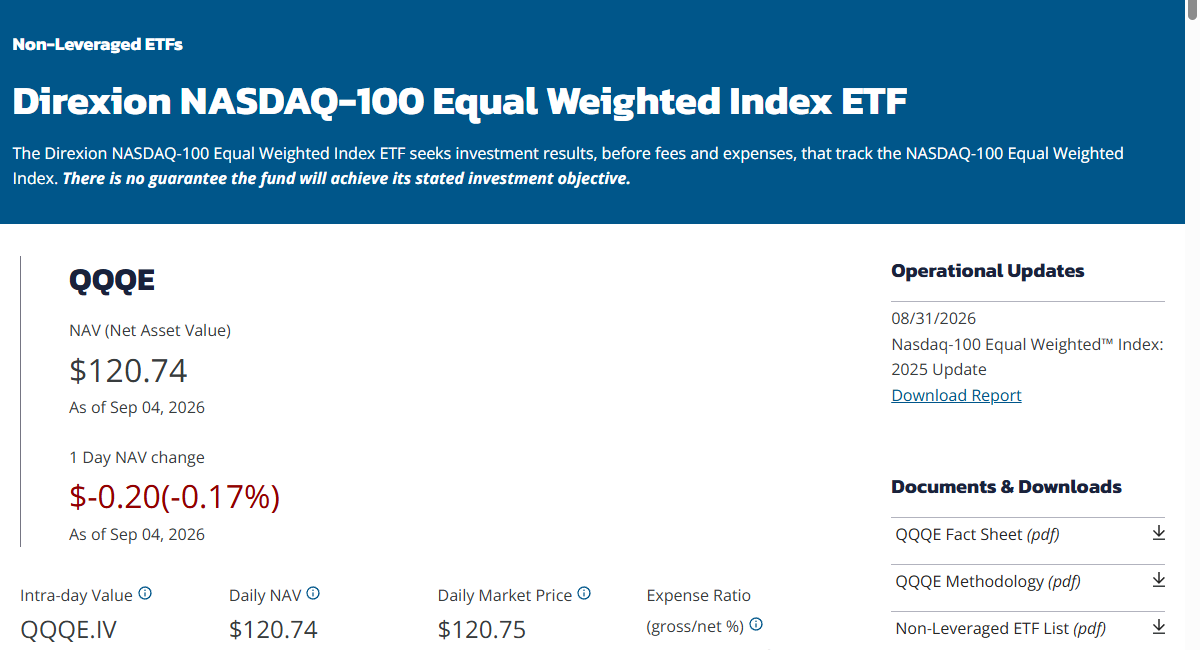
Don't want to watch single stocks but afraid to guess: what an ETF does for you
A basket, diversification, expense ratio, tracking error, which fields to read and who it suits.
Earnings drop and the price jumps around: which numbers to watch
Why "good results still fall", what expectations, guidance and after-hours moves are about, the few lines that matter.
Can you trade pre/after hours, and what's hiding behind the "good price"
Pre/after-hours liquidity, spreads, gap risk, who it suits and who should stay away.
Think zero-commission means free? The money leaves elsewhere
Commissions, FX spread, platform and regulatory fees, how to work out the true cost of one trade.
Dividend arrives short: what that 30% withholding is about
Withholding rates, what W-8BEN does, and how it differs from gains on selling, always per official sources.
Getting the money back out: don't get stuck at the last gate
Withdrawal routes, timing, settlement, and the common snags, don't trip on the final step.
The 6 traps beginners fall into most
FX charged twice, market orders pre-market, chasing earnings, ignoring the tax form, treating leverage as cheap, know them and you can dodge them.